


Frameless Glass Pool Fencing
A frameless glass pool fence is one of the few pool barrier options that can meet Australian safety standards without closing in the view of your pool. Unlike aluminium, timber, or framed glass fencing, a frameless system uses individual toughened glass panels with no visible posts, rails, or frames — just a continuous sheet of clear glass held in place by spigots or a channel at the base. Unique Frameless Glass provides this clean, modern fencing solution for homeowners who want to maintain uninterrupted sightlines to their pool while still meeting the barrier requirements every pool fence needs to satisfy.
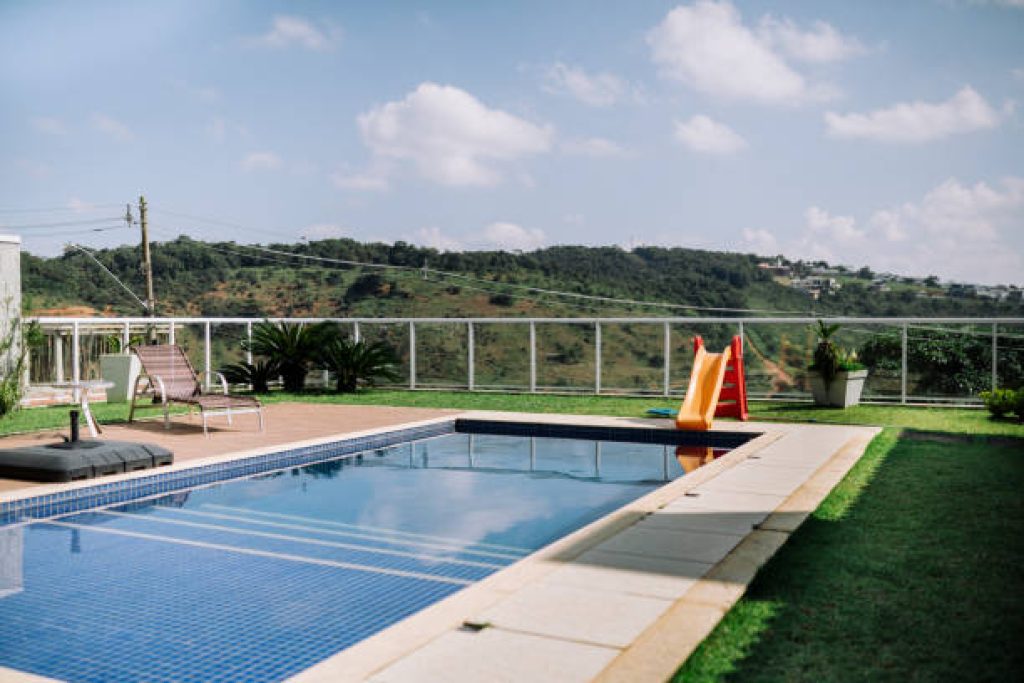
Frameless Glass Pool Fence Systems
A frameless glass pool fence is built from separate toughened glass panels, each supported independently at the base rather than by a connecting frame or top rail. The panels sit close together with a small, regulated gap between them, creating what looks like a single continuous sheet of glass around the pool.
This style suits new pool builds, full fence replacements, and renovations where the goal is to open up the pool area rather than box it in. It’s used on residential backyard pools as well as commercial and multi-residential pool areas, and can be combined with matching glass gates, corner panels, and height-transition panels where the ground level changes around the pool.
AS 1926.1 Pool Fence Compliance Explained
Every pool fence in Australia is assessed against AS 1926.1 — Swimming Pool Safety, which sets out the physical requirements a barrier has to meet regardless of material. For frameless glass, that generally means:
A minimum fence height of 1200mm from the finished ground level
A maximum gap of 100mm under the fence and between panels
A 900mm non-climbable zone kept clear on the outside of the fence
A self-closing, self-latching gate that swings away from the pool
A latch positioned at least 1500mm above ground level
Toughened safety glass that meets AS 2208 and AS 1288
In NSW, the exact edition of AS 1926.1 that applies can depend on when the pool was built, and most pools also need to be registered and inspected. We design and install every frameless glass fence to meet the requirements that apply to your pool, so you’re not left guessing what will pass inspection.
Spigot vs Channel Installation
There are two common ways to hold a frameless glass panel upright: spigots or a channel.
Spigots are individual stainless steel clamps fitted at the base of each panel, either core-drilled into an existing concrete slab or surface-mounted with a base plate. They give a minimalist look, leave a small gap under the glass that helps the area drain and stay clean, and make it straightforward to replace a single panel if it’s ever damaged.
A channel is a continuous aluminium or stainless-steel track fixed along the ground, with each panel sitting inside it and sealed in place. It spreads the load along the full base of the panel and can suit sites where core drilling isn’t practical, such as some deck or paver surfaces, though installation is more involved than fitting individual spigots.
Which one suits your site depends on the surface you’re building on and whether the fence is going into new concrete or being retrofitted around an existing pool area — something we assess as part of your site measure.
Glass Pool Gates, Hinges and Latches
A compliant gate has to self-close and self-latch from any open position, and swing away from the pool. We fit spring-loaded self-closing hinges as standard, with soft-close hinges available where you want a quieter close and the option to match the gate glass thickness to the fixed panels.
Latches sit at the compliant height and are finished in marine-grade stainless steel — 316 or 2205 grade — to hold up against pool chemicals and, in coastal areas like Tuggerah and the Central Coast, salt air.
Panel Sizes and Glass Thickness
Frameless glass pool fencing is most commonly supplied in 10mm or 12mm toughened glass, with 12mm being the more common choice for frameless systems since there’s no surrounding frame adding rigidity — the glass itself has to do that job. Panel widths and heights are set out for your specific site, factoring in the spacing needed between spigots or along the channel, the required 1200mm minimum height, and any changes in ground level around the pool.
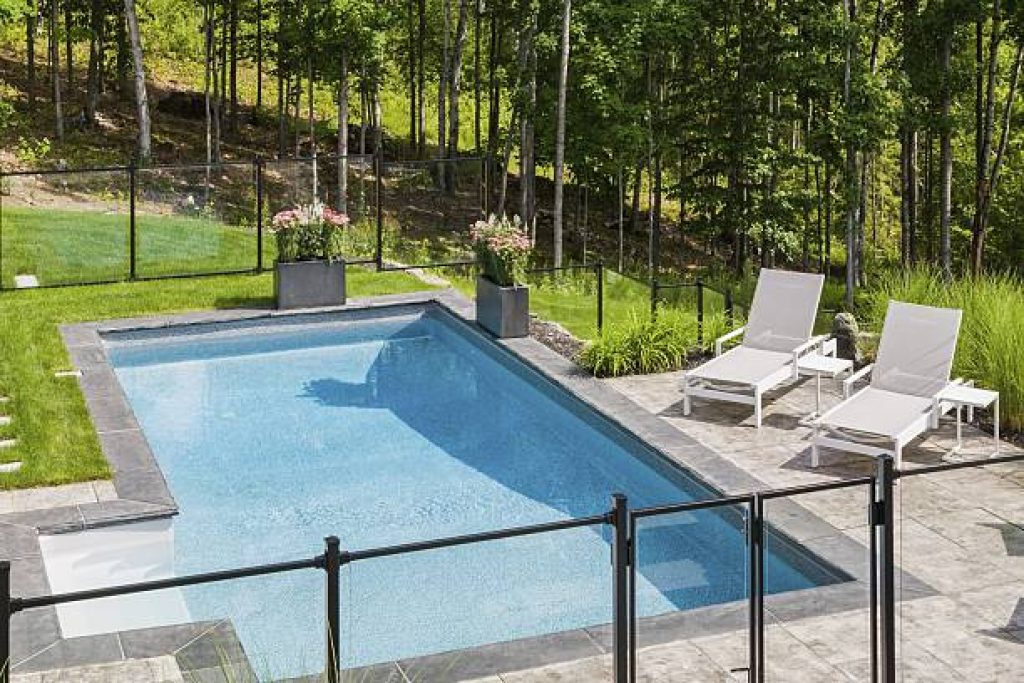
If you’re planning a new pool, replacing an old fence, or need a frameless glass gate to match an existing installation, get in touch for an on-site measure and quote.
Our Work Process
1
Meet Customers
We listen to your storage needs and measure your space for a perfect wardrobe solution.
2
Discussion
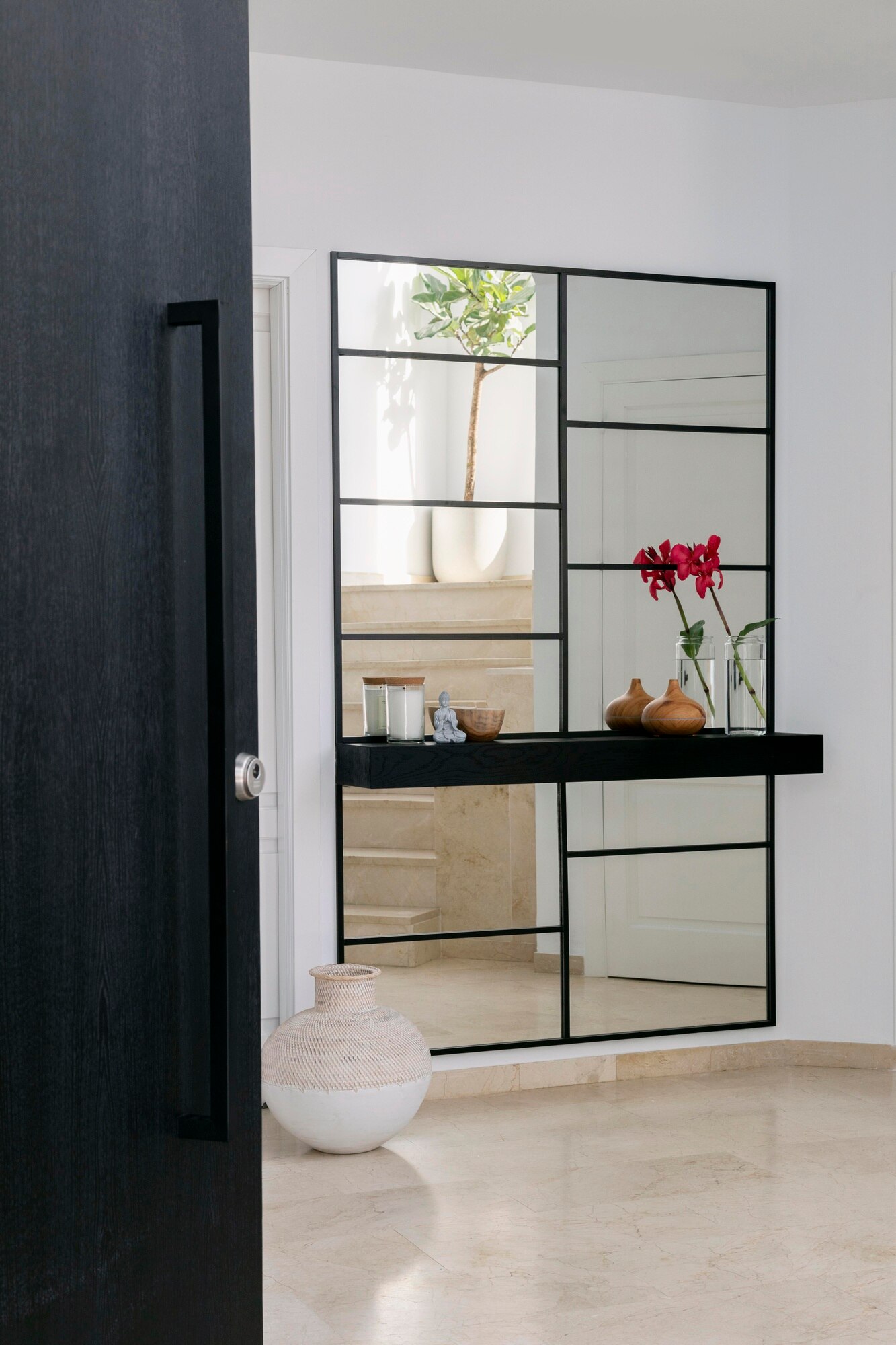
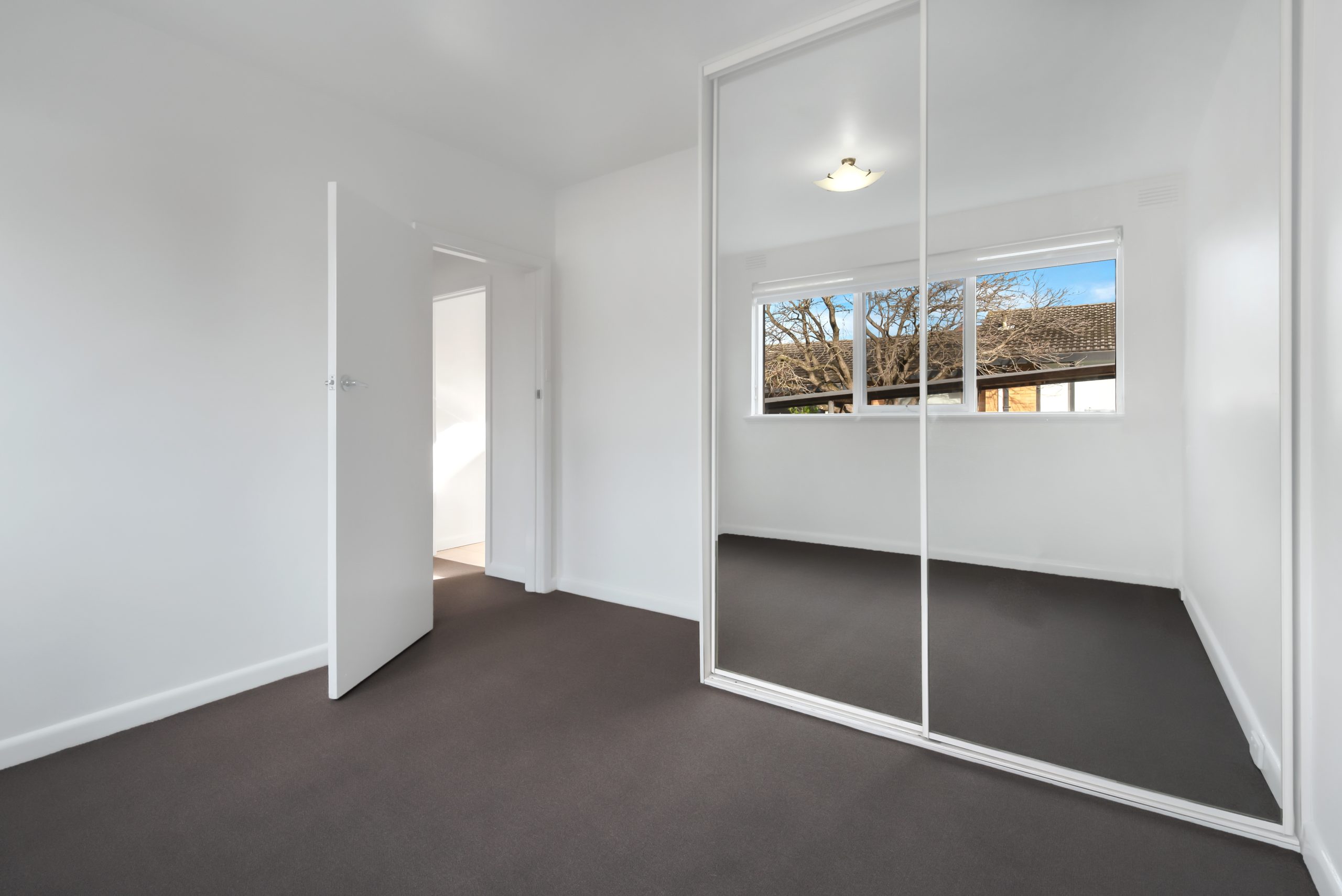
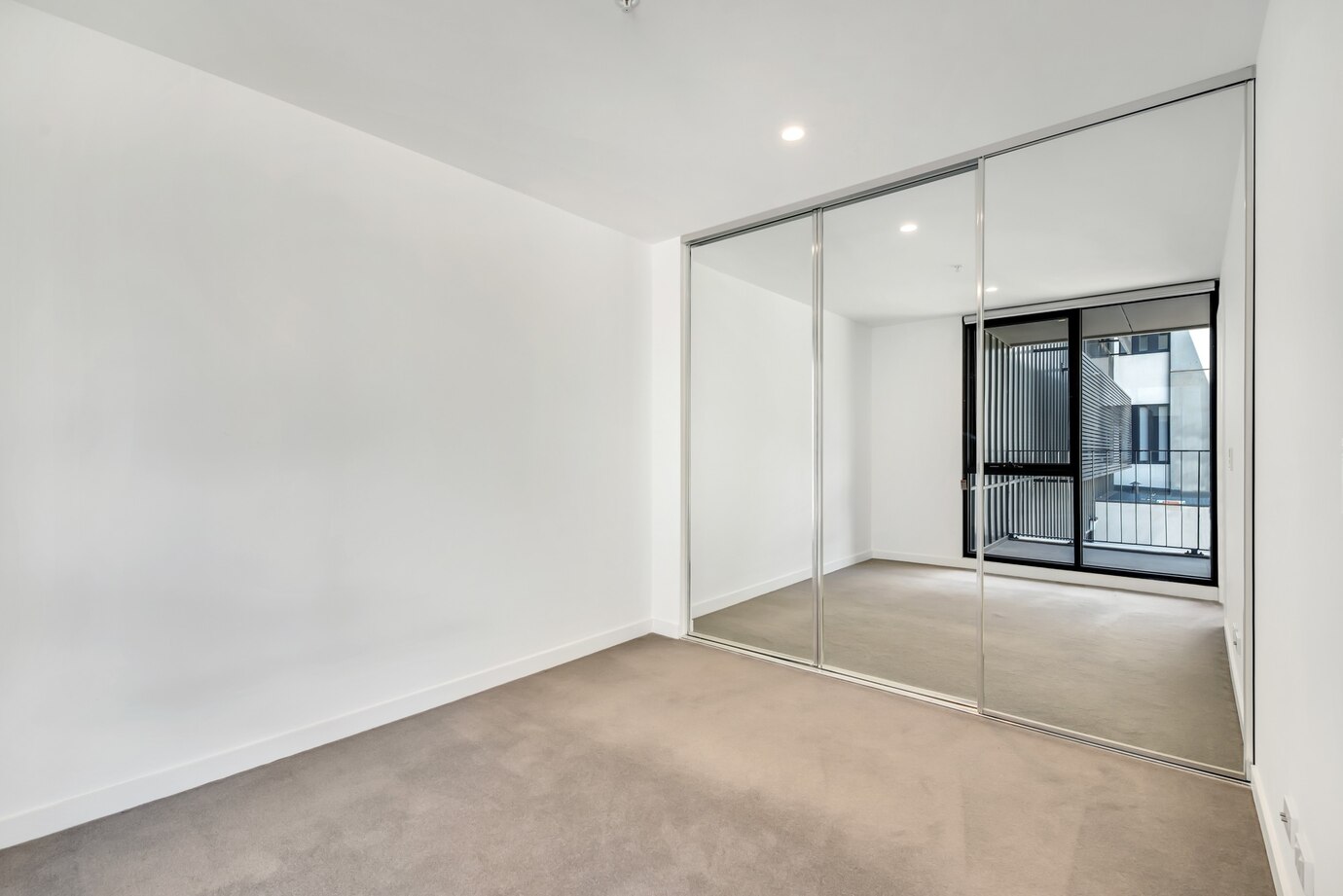
Explore different sliding mirror wardrobe designs and finishes to match your style and requirements.
3
Design
Custom wardrobe crafted for optimal storage, seamless functionality, and a beautiful, modern bedroom feel.
4
Implement
Expert installation ensures your new mirror wardrobe is fitted flawlessly, delivering style and convenience.
Frequently Asked Questions
What happens if one glass panel gets damaged or cracked after installation?
Toughened safety glass is designed to break into small, blunt pieces rather than sharp shards, and once a panel is cracked it needs replacing rather than repairing. Because frameless panels are held independently by spigots or a channel, a damaged panel can usually be swapped out on its own without disturbing the rest of the fence. Get a chipped or cracked panel assessed promptly to keep the fence safe.
Do frameless glass panels need any special cleaning or maintenance?
Frameless glass pool fences don’t need anything specialised — regular washing with a mild, non-abrasive glass cleaner and a soft cloth keeps panels clear of pool chemical residue and water spotting. Rinse the glass after heavy pool use and check hardware periodically, since spigots and hinges can loosen slightly over time. Avoid high-pressure washers and abrasive cleaners, as these can scratch the glass.
Can a frameless glass pool fence be installed around an irregular-shaped or sloping pool area?
Yes — frameless glass fencing is fitted panel-by-panel to your site, so curved edges, corners, and ground-level changes around the pool can be accommodated with the right panel sizing and, where needed, height-transition panels. The layout is planned around your actual pool shape, not a fixed template. An on-site measure confirms how the panels should be arranged for your pool.
Will a frameless glass fence work on my existing deck, pavers, or concrete slab?
It depends on the surface, which is why spigot and channel fixing both exist as options. Spigots can be core-drilled into existing concrete or surface-mounted with a base plate on decks and pavers where drilling isn’t practical, while a channel system spreads the load along a continuous track. We assess your existing surface on-site to recommend the fixing method that holds the panels securely without unnecessary rework.
How long does it take to install a frameless glass pool fence?
Installation timeframes vary with the size of the fence, the fixing method used, and whether it’s going into new concrete or being retrofitted around an existing pool. Spigot systems are generally quicker to fit than a channel system, which takes more preparation. Once your site has been measured, you’ll get a realistic timeframe for your specific job before any work begins.