


How to Clean a Frameless Glass Shower Screen in Central Coast Hard Water Areas
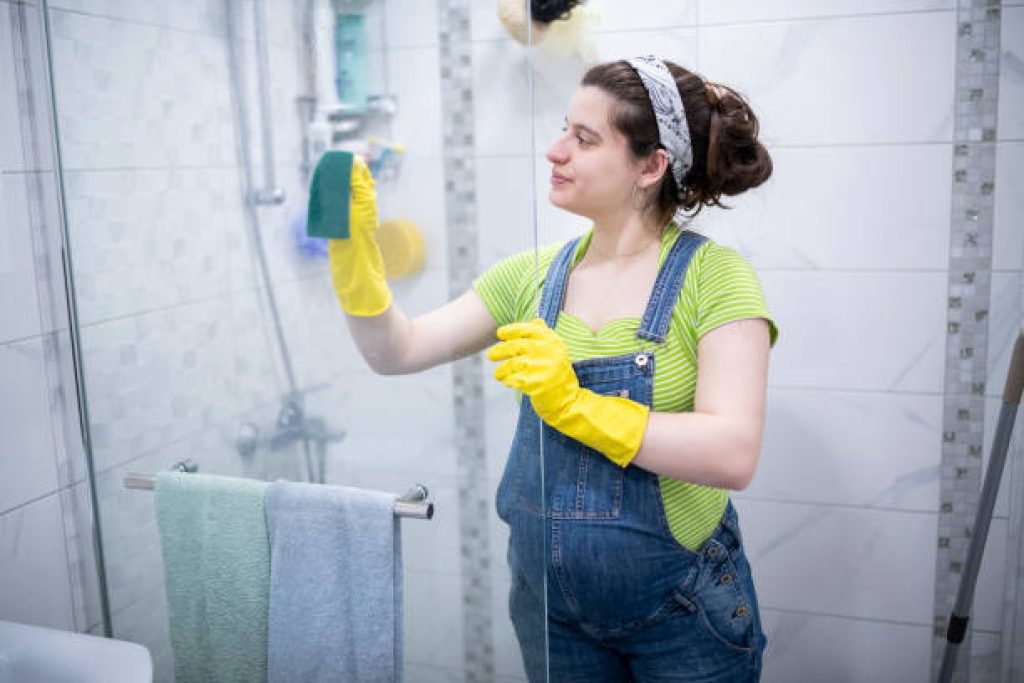
Anyone who has lived along the Central Coast or Hunter Valley for more than a season knows the local water leaves more than a shower behind. Learning how to clean frameless glass shower screen surfaces properly is the difference between a bathroom that sparkles and one that always looks slightly tired, no matter how often it is wiped down. The mineral-rich water common across this region settles quickly on glass, turning a beautiful frameless screen dull within weeks if left unchecked.
Why Central Coast Water Leaves Its Mark on Glass
Much of the water supplied across the Central Coast and Hunter Valley contains higher-than-average levels of calcium and magnesium. When this water evaporates on glass, it leaves behind mineral deposits that create the hard water stains on shower glass, which owners often mistake for dirt or grime.
Over time, untreated deposits can actually etch into the glass surface, making it look permanently cloudy rather than simply dusty. If you have ever run a hand across your screen and felt a slightly gritty texture rather than a smooth finish, this is usually the culprit. Understanding this process is the first real step toward shower screen maintenance tips that actually make a difference, rather than simply masking the problem for a few days.
Daily Habits That Prevent Soap Scum and Streaks
It might sound simple, but small daily habits genuinely make the biggest long-term difference. After each shower, it is worth taking just thirty seconds to:
-
Squeegee the glass from top to bottom.
-
Wipe down the hinges, clamps, channels and silicone seals and edges with a dry microfiber cloth.
-
Leave the screen slightly open to allow airflow and reduce trapped moisture.
None of these steps takes long, yet together they significantly reduce the task of removing soap scum from the shower screen later in the week. Residue that is wiped away while still wet never gets the chance to dry, harden, and bond to the glass in the first place.
Choosing the Best Shower Screen Cleaner
Only a select few products on the supermarket shelf are suitable for frameless glass, and harsh or abrasive cleaners can quietly damage protective coatings without any obvious warning signs until it is too late. When selecting the best shower screen cleaner, look for options that are ammonia-free and specifically designed for glass surfaces rather than general bathroom use.
|
Cleaning Option |
Best Used For |
Frequency |
|
White vinegar and water spray |
Light water spots |
Twice weekly |
|
Ammonia-free glass cleaner |
General upkeep |
Weekly |
|
Specialised hard water remover |
Stubborn mineral buildup |
Fortnightly |
|
Glass protective sealant |
Preventing future staining |
Every three to six months |
Step-by-Step Soap Scum Removal Process for Shower Screens
When residue has already formed, a lighter daily wipe is unlikely to be enough on its own, and a more targeted approach is needed. Follow these steps for the best results:
-
Wet the glass with warm water to loosen surface grime.
-
Apply an ammonia-free cleaner or vinegar solution evenly across the screen.
-
Allow the product to sit for two to three minutes.
-
Scrub gently using a soft, non-abrasive cloth or sponge.
-
Rinse thoroughly with clean water.
Weekly and Monthly Maintenance Checklist
To keep frameless glass looking its best throughout the year, it helps to think in terms of small weekly tasks and slightly deeper monthly ones, rather than waiting until the glass looks obviously dull.
Weekly
-
Clean glass with an ammonia-free cleaner.
-
Check and wipe down hinges, clamps, channels and silicone seals and hinges.
-
Inspect for early signs of hard water buildup.
Monthly
-
Deep clean using a specialised hard water remover.
-
Check silicone seals for wear.
-
Reapply protective sealant if needed.
Following these shower screen maintenance tips consistently, rather than only when the glass looks noticeably cloudy, helps extend the life of the screen & reduces the effort required for each clean.
A Cleaner Shower Screen Starts with the Right Support from Unique Frameless Glass
Maintaining a streak-free, frameless shower screen in a hard-water region takes the right products, sensible daily habits, and a little local knowledge that only comes from working with this water day in and day out. Unique Frameless Glass has worked extensively across the Central Coast and Hunter Valley, and understands exactly how local water conditions affect glass over time, from the earliest signs of spotting through to more stubborn mineral buildup. Reach out to our team for details on shower screen installation and maintenance.
Frequently Asked Questions
How often should a frameless glass shower screen be cleaned?
A quick wipe-down after each use, combined with a more thorough clean weekly, is generally enough to prevent buildup in hard-water areas.
Can vinegar damage frameless glass shower screens?
Diluted white vinegar is generally safe for regular use, though it should be avoided on screens with certain protective coatings unless this has been confirmed as suitable.
Does a protective sealant really help with hard water stains?
Yes, a quality sealant creates a barrier that makes it harder for mineral deposits to bond to the glass, reducing the amount of scrubbing required over time.
Is professional cleaning ever necessary?
For screens with significant long-term buildup, a professional assessment can help determine whether restoration or resealing would be the better option.